
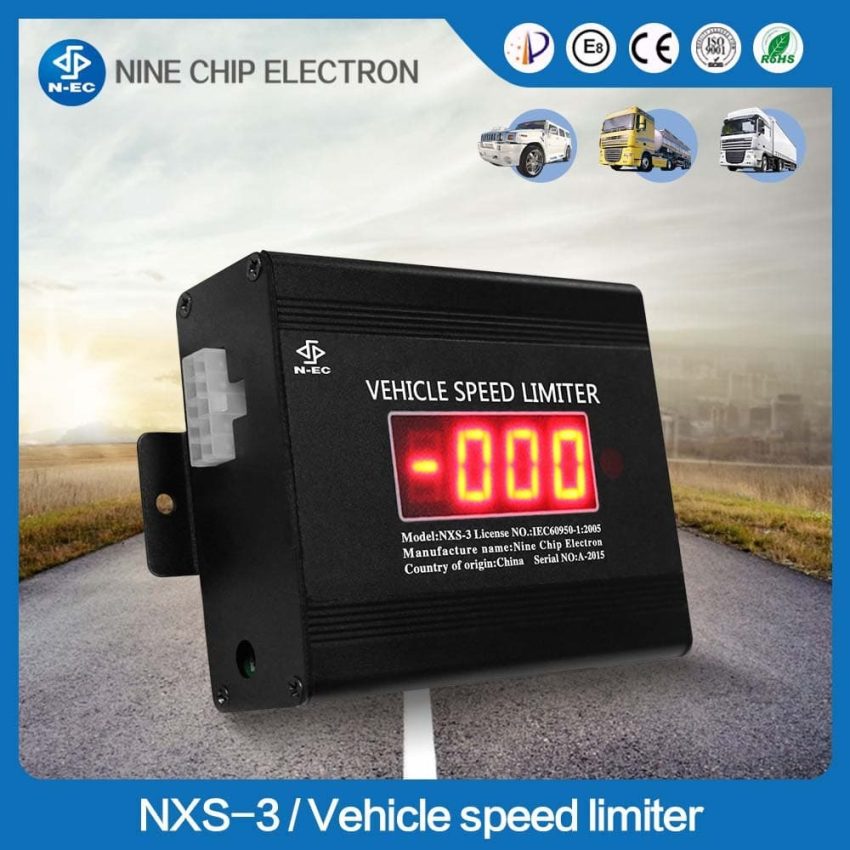
Speed is often the silent force behind road accidents. It’s not just about driving fast — it’s about not having the right tools to manage speed when it matters most. In the U.S., where roads stretch for miles and fleets run around the clock, speed control has become a key piece of the road safety puzzle.
Today, more fleet operators are turning to smart technology to limit speed and protect lives. Tools like driver safety limiter devices in USA are making it easier than ever to set safe limits and stick to them — no matter the road, weather, or driver.
Let’s explore why speed control is becoming the go-to safety solution and how the right tech is changing the game for drivers, companies, and everyone on the road.
The Rising Toll of Speeding in the U.S.
Speeding is one of the deadliest driving behaviors in America. According to the National Highway Traffic Safety Administration (NHTSA), it’s involved in nearly one-third of all traffic deaths.
But beyond the tragic numbers, speeding leads to:
- More severe crashes
- Higher fuel consumption
- Increased vehicle wear and tear
- Skyrocketing insurance costs
It’s not just highways either. Speeding through city streets or school zones puts vulnerable pedestrians, cyclists, and children at even greater risk.
Why Traditional Methods Fall Short
We’ve had speed limit signs, patrol cars, and traffic cameras for decades. But let’s face it — they can’t be everywhere.
Drivers may ignore posted limits under pressure to meet deadlines, or simply due to habit. Even the best training can’t fix split-second decisions made on the road.
That’s where traditional methods hit a wall. We need proactive systems — not just reactive enforcement.
How Technology Enables Smarter Speed Control
Modern speed control tech doesn’t just beep at you. It acts.
Here’s what these tools can do:
- Speed Limiter Devices: Cap top speed automatically based on rules you set.
- Telematics: Monitor driver behavior in real-time, including speeding, braking, and route choices.
- GPS Integration: Adjust speed limits dynamically based on location — like school zones or urban areas.
- Driver Alerts: Audible or visual warnings when speeding starts, giving drivers a chance to self-correct.
Some systems even work with geofencing, where vehicles automatically reduce speed within mapped boundaries.
Why Fleet Operators Are Adopting This Tech in the U.S.
Fleet owners across logistics, construction, public transport, and school transit are adopting speed control tools — not just for compliance, but for real impact.
Key Drivers of Adoption:
- Regulatory Pressure: Several U.S. states are considering or implementing laws requiring speed limiters on commercial vehicles.
- Insurance Incentives: Lower premiums for fleets that install telematics and limiters.
- Brand Protection: Safer fleets mean fewer headlines about crashes.
- Cost Savings: Less speeding = fewer accidents = lower liability and repair bills.
It’s not about punishing drivers — it’s about protecting them.
Real-World Examples of Speed Tech in Action
A Midwest logistics company installed intelligent speed limiters across its 300-vehicle fleet. Within six months:
- Speeding incidents dropped by 73%
- Insurance claims decreased by 41%
- Fuel efficiency improved by nearly 9%
Another case: A school district in Texas equipped its buses with GPS-linked limiters. Drivers no longer had to guess speed limits in changing zones — the system took care of it.
What to Look For in a Speed Control Device
If you’re exploring options, here are must-have features:
- Customizable Speed Settings: Based on location, time of day, or vehicle type
- Tamper-Proof Design: So drivers can’t disable the system
- Telematics Integration: Sync with driver monitoring and route planning
- Data Reporting: For safety audits and insurance documentation
Also, ensure compatibility with your existing fleet management software.
Will This Hurt Productivity?
It’s a common worry — but a mistaken one.
Limiting top speed doesn’t mean cutting efficiency. In fact, many companies report that their delivery times remain consistent — or even improve — after adopting these systems.
Why? Because drivers plan better, drive smarter, and avoid delays from accidents or tickets.
Conclusion: Speed Control Is a Safety Investment, Not a Burden
Road safety doesn’t begin when something goes wrong. It begins with smart decisions long before that — like controlling speed in every vehicle, every day.
With modern tools like telematics and limiter devices, companies can lead the way in saving lives, protecting drivers, and reducing costs. It’s no longer a question of if you should adopt speed control tech — it’s when.
The faster we act, the safer our roads become.